


When to Replatform from Shopify to NetSuite
eCommerce Replatforming and Migration: Why Growing Brands Outgrow Shopify
Shopify is excellent for launching a direct-to-consumer brand. But as you grow, so do your needs, and that’s when cracks start to show in your current platform.
Many eCommerce businesses hit a wall when it comes to managing product data, stock levels, or expanding internationally. Shopify Plus might seem like a solution, but scaling with third-party integrations on your current platform becomes expensive and complicated quickly. Add-ons for core features like inventory sync, multi-currency support, or B2B ordering all pile on top of your eCommerce cost.
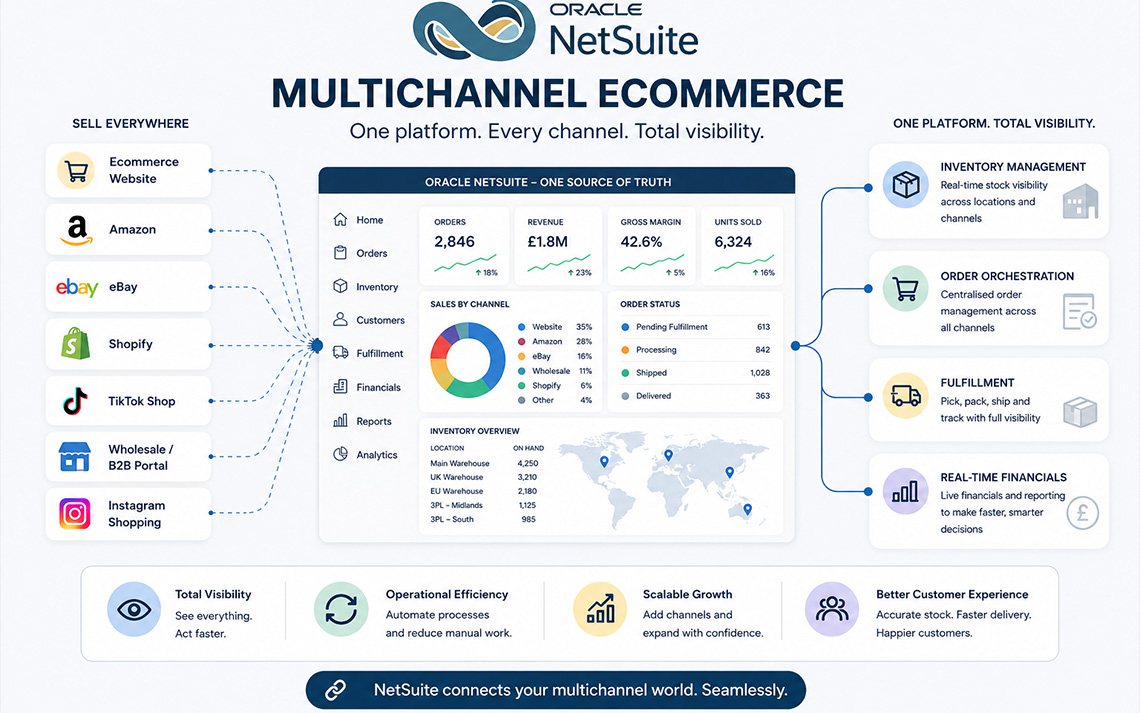
At this stage, platforms like NetSuite SuiteCommerce become more than just an option; they become essential. Built for fast-scaling brands, NetSuite eCommerce unifies all key business functions: finance, inventory, order management, and CRM. You move from patchwork systems to a single, integrated eCommerce platform.
Replatforming your eCommerce Costs and the Real Price of Platform Migration from Shopify
According to (Suniverse), NetSuite SuiteCommerce implementation ranges from £15,000 to £60,000 upfront, with ongoing annual subscriptions around £20,000 to £40,000. That includes native integrations and core ERP functionality.
Shopify Plus might seem cheaper at around £1,500 per month, but once you add customisation, ERP integration, and B2B features, the total cost of ownership often exceeds NetSuite’s. As (Gapstow) reports, Shopify Plus can hit up to £160,000+ per year with apps, consultants, and revenue-based fees.
Meanwhile, NetSuite offers a single source of truth, eliminating the need for bolt-on middleware or data migration tools. Being fully integrated with NetSuite provides you with more visibility, improved automation, and reduced operational headaches.
Why Your eCommerce Migration Strategy Must Go Beyond Cost and Consider Platform Integration
Migrating your eCommerce platform is not just a financial decision; it is a strategic one. When your current eCommerce setup can no longer keep up with demand, data sync, or international expansion, you need more than a workaround.
NetSuite SuiteCommerce is not just another eCommerce solution. It is a full platform migration that aligns your front-end eCommerce site with your backend systems. This shift allows real-time visibility of orders, reduces customer experience issues, and supports your long-term growth goals.
When to Replatform Your eCommerce Website and Move from a Current eCommerce Platform
You don’t need to guess when it’s time to consider replatforming. Here are the key indicators, explained in clear terms.
Your eCommerce website might be too limited if:
- You manage thousands of SKUs across multiple warehouses but struggle with accuracy.
- You rely heavily on third-party apps for essential business needs, such as reporting or product bundling.
- Your team wastes time migrating data manually between platforms.
- B2B buyers demand custom pricing and account workflows that you cannot support.
- You sell internationally but lack the tools for region-specific tax, shipping, and language support.
- Your eCommerce sales are growing, but you are hitting API limits or slowing site performance.
NetSuite SuiteCommerce handles these challenges natively. You get a modern eCommerce platform with built-in capabilities that most Shopify merchants can only achieve with plugins or external dev support.
What an eCommerce Migration Involves: From Data Migration to Platform Integration
One of our clients, Legion Scotland, faced a similar scenario, managing growing operations with disconnected systems and manual processes. They needed more than an eCommerce store. They needed a solution that streamlined communication, reduced duplicate data, and provided the team with access to accurate and actionable information.
After evaluating options including Access Group and Dynamics, they chose NetSuite for its flexibility, centralisation, and total visibility. With Cofficient’s help, they were able to integrate CRM, finances, and case support into a single platform, saving £25,000 per year and achieving real operational improvements.
That’s the kind of eCommerce replatforming project that drives lasting results.
Comparing Your Current eCommerce Platform to NetSuite: What You Need to Know
| Feature | Shopify Plus | NetSuite SuiteCommerce |
| Upfront Cost | £60,000 – £160,000+ with add-ons | £15,000 – £60,000 |
| Monthly Fees | £1,500/month + 0.25% revenue cut | £5,000/month (negotiable) |
| B2B Support | Limited, app-reliant | Native, advanced functionality |
| International Support | Limited without plugins | Built-in multi-currency/language |
| ERP Integration | Third-party required | Fully integrated with NetSuite |
| Scalability | Limited by plugins & API | Built for scale, high SKU, global |
Source: Gapstow, Suniverse
Why the Right Platform Matters: The Benefits of eCommerce Replatforming
If your eCommerce business is expanding fast, you need more than a shopping cart. You need a full eCommerce platform that grows with you.
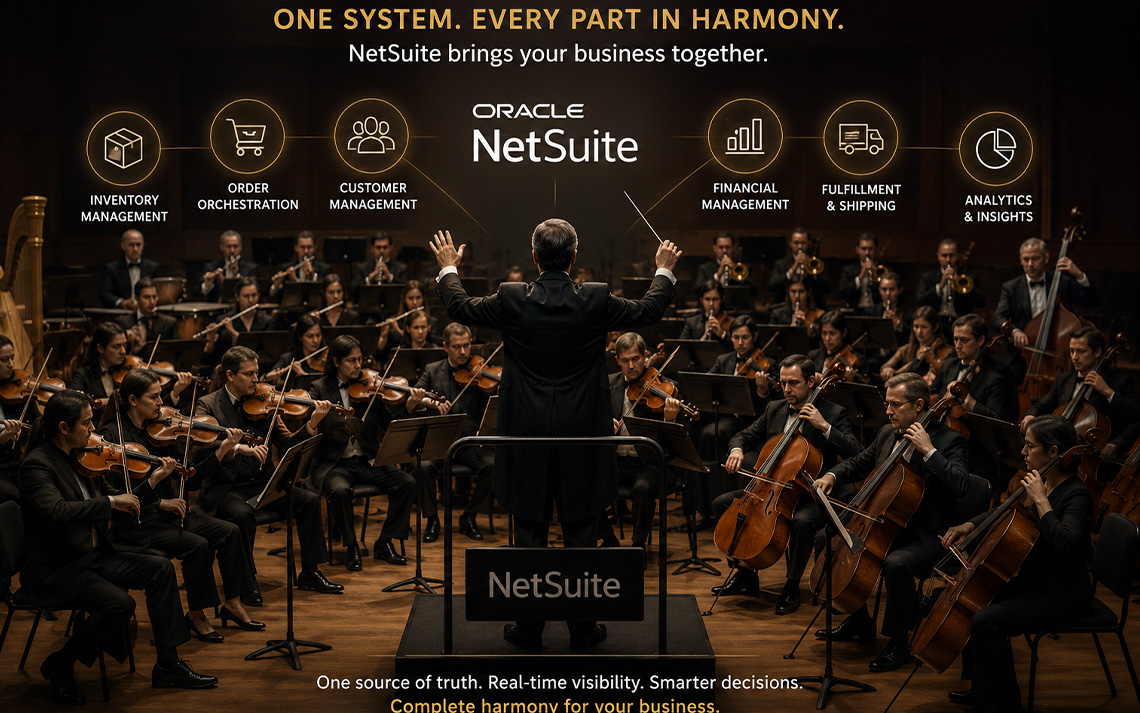
NetSuite eCommerce connects every part of your operation, from your eCommerce site to finance, fulfilment, and CRM. You get real-time reporting, reduced manual work, and a system that supports complexity, not chokes under it.
Additionally, eCommerce replatforming with NetSuite results in fewer ongoing integration costs. You own your data, avoid syncing issues, and improve the customer experience.
FAQ – Risks of eCommerce Replatforming, Migration Services and Choosing the Right Platform
Q: Is eCommerce migration difficult?
A: It depends on your setup. At Cofficient, we handle the data migration, eCommerce site build, and full ERP integration to make the process smooth.
Q: How long does replatforming your eCommerce site take?
A: Most NetSuite replatforming projects take 60 – 90 days, depending on complexity.
Q: Is it worth moving from Shopify to NetSuite?
A: If you manage high-order volumes, need better financial visibility, or operate across regions, yes. The benefits of eCommerce replatforming far outweigh the costs.
Q: Do I need to replace my whole tech stack?
A: No. NetSuite integrates with many existing tools. But it can also replace disconnected systems with one central platform if needed.
Final Word: When to Consider Replatforming and What Your eCommerce Journey Could Look Like
Choosing the right eCommerce platform is not just about where your business is now. It is about where you want it to go.
If you are reaching the limits of Shopify due to rising eCommerce costs, poor integration, or growing operational complexity, it’s time to consider eCommerce replatforming.
NetSuite eCommerce is the solution built for businesses like yours. And with Cofficient’s experience and support, you will not go it alone.