


Unlocking Strategic Value in Your Business
The role of finance within a company has undergone a significant shift in recent years. Traditionally, finance teams were primarily responsible for tasks like bookkeeping and financial reporting. This often led to the perception of them being focused on internal operations, separate from the core business strategy. Today, the Modern Finance Function is evolving to become a much more strategic partner.
From Internal Focus to Strategic Influence
Traditionally, finance professionals were seen as detailed-oriented individuals focused on tasks like budgeting and financial reporting. While these remain crucial aspects of the role, the Modern Finance Function goes beyond them. Modern finance professionals are not just data driven analysts; they are storytellers. They leverage data visualisation tools to transform complex financial data into clear, actionable insights. This empowers them to create data-driven forecasts that inform business strategies, set departmental and company-wide goals, and conduct pricing analysis to optimise revenue streams.
A Broader View of Value
The Modern Finance Function acknowledges that financial metrics alone don’t paint the whole picture. It recognises the importance of value-added metrics that go beyond traditional financial indicators. These can include customer satisfaction, employee engagement, and strategic contribution. By incorporating these metrics, the finance function can provide a more holistic view of its impact on the business.
However, a “one-size-fits-all” approach doesn’t work here. Industry-specific metrics are crucial for accurate performance measurement. Understanding the unique challenges and opportunities of your sector allows you to set industry benchmarks and ensures your finance team is driving success in the most relevant areas. For instance, a retail business might prioritise customer acquisition cost and conversion rates alongside financial metrics, while a manufacturing company might focus heavily on production efficiency and inventory management.
The Compelling Benefits of a Modern Finance Function
There are numerous advantages to embracing the Modern Finance Function. Here’s a closer look at some key benefits:
Enhanced Decision-Making: Data-driven insights from the finance team empower leaders with greater confidence when making strategic decisions. Timely and accurate data analysis allows for a more informed approach, minimising the risk of decisions based on intuition or outdated information.
Improved Profitability: Strategic pricing analysis and cost optimisation are critical tools employed by the modern finance team. By analysing data on customer behaviour, competitor pricing, and production costs, the finance team can recommend pricing strategies that maximise profitability while also identifying areas for cost reduction.
Increased Efficiency: Automation is a key driver of efficiency in the Modern Finance Function. Modern finance teams leverage technology to automate repetitive tasks such as data entry, reconciliation, and report generation. This frees up valuable time for team members to focus on higher-level analysis and strategic thinking.
Stronger Stakeholder Relationships: Clear communication is essential for building trust with stakeholders. The Modern Finance Function utilises data visualisation to translate complex financial information into clear and concise stories. This fosters understanding and builds trust with stakeholders, including investors, lenders, and the board of directors.
Making the Move to Modern Finance
If you’re ready to transform your finance function, here are some initial steps to consider:
Embrace Data Analysis: Invest in training and tools to equip your team with the skills and resources needed to leverage data for deeper insights. Data analysis training will empower your team to extract meaningful information from financial data, identify trends, and generate actionable recommendations.
Focus on Communication: Develop storytelling skills within your finance team. Being able to effectively communicate complex financial information in a clear and concise manner is crucial. This allows the team to present data-driven insights to stakeholders in a way that is engaging and easy to understand.
Align with Business Strategy: Ensure that the goals of your finance team are directly tied to the overall business strategy. This ensures that the finance function is actively contributing to the achievement of the company’s broader objectives.
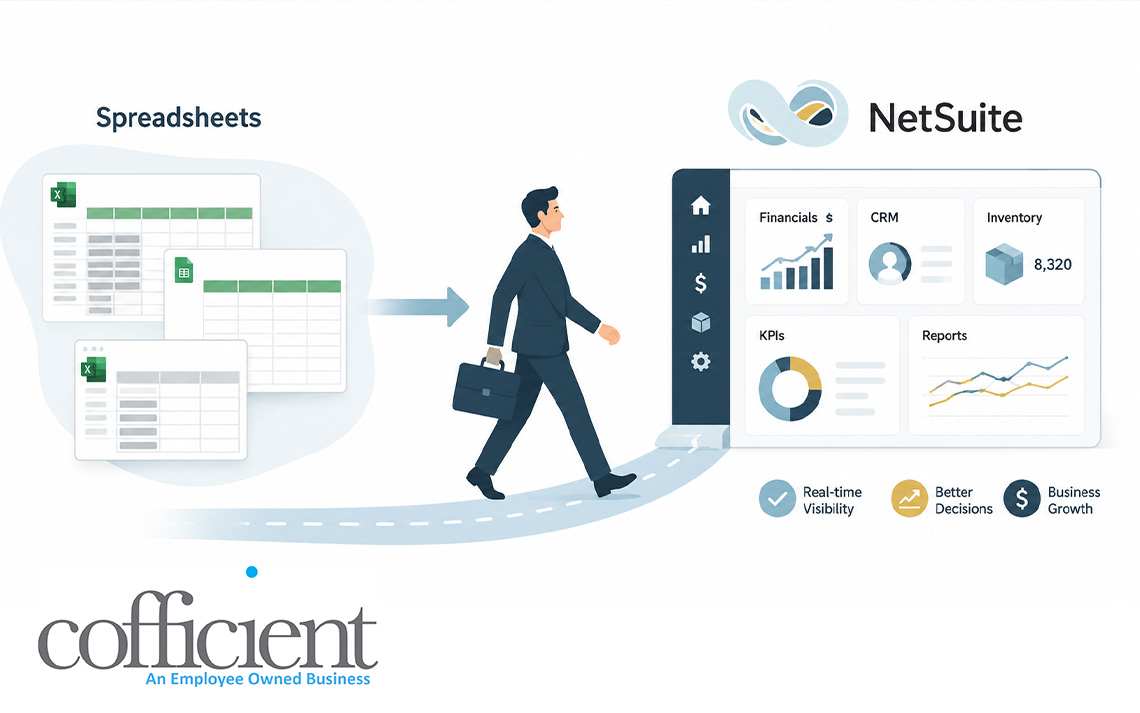
Embrace Technology: Explore cloud-based financial management systems and automation tools. Cloud-based systems offer greater accessibility, improved data security, and real-time data analysis capabilities. Automation tools can streamline repetitive tasks, freeing up valuable time for strategic analysis.
Your Partner in Building a Modern Finance Function
At Cofficient, we understand the crucial role the Modern Finance Function plays in business success. We offer a range of services to help you transform your finance team, including financial transformation consulting, data analytics training, and technology implementation.
Let’s work together to build a finance function that delivers strategic value, boosts informed decision-making, and drives tangible results for your business.